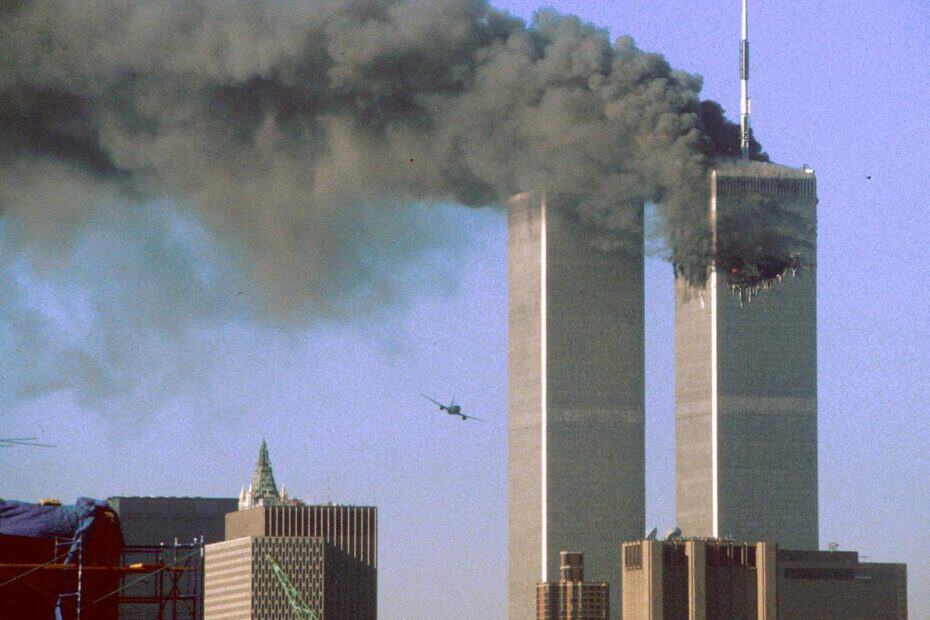
A long-lasting and significant consequence of the health impact that came with the massive destruction on September 11th is the environmental impact of the toxic dust and debris that blanketed the area in the days, weeks, and months following the Twin Towers’ collapse. The 9/11 dust sparked a significant health crisis that continues to unfold.
The dust from the 9/11 attacks was spread far and wide and for a long time. The dust contaminated all of lower Manhattan as far north as Houston Street (and Brooklyn Heights and Dumbo) and contaminated this large area for almost a full year until the end of July 2022.
If you or someone you know was present during the WTC collapse or exposed to the 9/11 dust in the weeks or months following the attacks, it is important to understand what was in the dust and what the risks of exposure could be for anyone who was exposed. Those who were exposed to the dust may have an increased risk of developing various 9/11-related cancers, diseases, and illnesses.
Understanding What Was in the 9/11 Dust
When the World Trade Center towers collapsed, they released an enormous cloud of dust and debris that covered the surrounding area for months afterward. Known as World Trade Center (WTC) dust or 9/11 dust, this toxic plume consisted of cement, steel, drywall, window glass, and other building materials pulverized into dust, as well as thousands of incinerated computers and electrical cables, and everything else that was caught in the destruction. The dust was a toxic cocktail of various substances, containing a lethal mix of asbestos, lead, glass fibers, heavy metals, and other carcinogens, many of which have been identified as potential health hazards.
Immediate Effects of Exposure to 9/11 Dust
The immediate aftermath of the Twin Towers’ fall was marked by chaos and shock. Among the many brave individuals who rushed towards danger rather than away from it, first responders and recovery workers bore the brunt of the toxic exposure. Yet, they were not the only ones affected. Many local residents, students, and visitors, unable to escape the dust cloud, inhaled and ingested significant amounts of this toxic substance.
Even more, people were exposed as they returned to the area or went about their work without protective gear, when just a week after the attacks, on September 18, 2001, the EPA released a statement saying that “the air is safe to breathe and the water is safe to drink.”
Health complications began to surface soon after the attacks, with cases ranging from acute respiratory distress to debilitating lung diseases. The medical centers in and around Ground Zero were flooded with a sudden influx of patients suffering from ailments directly linked to the exposure to WTC dust, beginning with a persistent cough, then called “World Trade Center Cough.”
Lasting Effects of Exposure to 9/11 Dust
The impact of the 9/11 dust extends far beyond these immediate health problems. While the immediate health impacts of the 9/11 dust exposure were severe, the long-term effects have proven to be incredibly devastating. Thousands of individuals who were exposed to the dust continue to battle chronic health conditions today, including various forms of cancer, gastrointestinal disorders, and debilitating respiratory issues.
Recognizing the need for medical and financial support for these individuals, the US government enacted the James Zadroga 9/11 Health and Compensation Act. This landmark legislation established the September 11th Victim Compensation Fund (VCF), designed to compensate survivors for their losses and offset the immense medical costs for survivors and families who lost loved ones due to 9/11-related health conditions. Over two decades after the attacks, the VCF has processed thousands of claims and provided crucial financial support to countless affected individuals and their families.
The 9/11 Health and Compensation Act also established the World Trade Center Health Program (WTCHP). The WTCHP is a vital part of the response to the health effects experienced by individuals due to exposure to the 9/11 dust. The WTCHP provides medical monitoring and treatment for responders and survivors of the 9/11 terrorist attacks.
The WTCHP serves thousands of 9/11 responders and survivors, providing services for over 90 different health conditions related to the 9/11 attacks. These conditions include various types of cancer, respiratory disorders, gastrointestinal disorders, and mental health conditions like post-traumatic stress disorder, depression, and anxiety.
The program not only provides vital healthcare services but also conducts research into the long-term health effects of the 9/11 attacks. This research informs treatment approaches and contributes to the wider scientific understanding of the impacts of environmental disasters on human health.
While the physical health issues related to the 9/11 dust exposure are well-documented and have received substantial attention, the psychological impacts should not be understated or ignored. Exposure to the dust, coupled with the chaos, fear, and trauma of the attacks, has left numerous survivors with enduring mental health challenges. Post-traumatic stress disorder (PTSD), depression, and anxiety disorders are common among those who experienced the horrors of 9/11 firsthand, as well as those who were exposed to 9/11 dust in the aftermath of the attacks.
Support programs and mental health services have become crucial components of the broader health program to help survivors cope and heal. These resources aim to provide survivors with the necessary tools to navigate their trauma and work toward healing.
Importantly, while the WTCHP provides medical care for mental health conditions, the 9/11 VCF does not provide compensation for mental health conditions, but instead, compensation is, by law, strictly limited to physical illnesses and conditions, including 70+ different types of cancer. The WTCHP covers BOTH 9/11-related mental health issues and physical conditions.
Moving Forward Post-Exposure
More than two decades after the Twin Towers fell, the aftermath of 9/11 dust continues to unravel. The tragic legacy of this toxic dust manifests through the various health conditions that continue to affect those who were exposed.
At Hansen & Rosasco, LLP, our team is deeply committed to advocating for the rights of these victims. We understand the profound implications of this health crisis and work tirelessly to ensure the appropriate health and compensation measures are in place. We strive to guarantee that survivors and their families have access to the resources they need to cope with their 9/11 health challenges. Contact us to learn how we can help.
A Comprehensive Guide to 9/11 Dust
A long-lasting and significant consequence of the health impact that came with the massive destruction on September 11th is the environmental impact of the toxic dust and debris that blanketed the area in the days, weeks, and months following the Twin Towers’ collapse. The 9/11 dust sparked a significant health crisis that continues to unfold.
The dust from the 9/11 attacks was spread far and wide and for a long time. The dust contaminated all of lower Manhattan as far north as Houston Street (and Brooklyn Heights and Dumbo) and contaminated this large area for almost a full year until the end of July 2022.
If you or someone you know was present during the WTC collapse or exposed to the 9/11 dust in the weeks or months following the attacks, it is important to understand what was in the dust and what the risks of exposure could be for anyone who was exposed. Those who were exposed to the dust may have an increased risk of developing various 9/11-related cancers, diseases, and illnesses.
Understanding What Was in the 9/11 Dust
When the World Trade Center towers collapsed, they released an enormous cloud of dust and debris that covered the surrounding area for months afterward. Known as World Trade Center (WTC) dust or 9/11 dust, this toxic plume consisted of cement, steel, drywall, window glass, and other building materials pulverized into dust, as well as thousands of incinerated computers and electrical cables, and everything else that was caught in the destruction. The dust was a toxic cocktail of various substances, containing a lethal mix of asbestos, lead, glass fibers, heavy metals, and other carcinogens, many of which have been identified as potential health hazards.
Immediate Effects of Exposure to 9/11 Dust
The immediate aftermath of the Twin Towers’ fall was marked by chaos and shock. Among the many brave individuals who rushed towards danger rather than away from it, first responders and recovery workers bore the brunt of the toxic exposure. Yet, they were not the only ones affected. Many local residents, students, and visitors, unable to escape the dust cloud, inhaled and ingested significant amounts of this toxic substance.
Even more, people were exposed as they returned to the area or went about their work without protective gear, when just a week after the attacks, on September 18, 2001, the EPA released a statement saying that “the air is safe to breathe and the water is safe to drink.”
Health complications began to surface soon after the attacks, with cases ranging from acute respiratory distress to debilitating lung diseases. The medical centers in and around Ground Zero were flooded with a sudden influx of patients suffering from ailments directly linked to the exposure to WTC dust, beginning with a persistent cough, then called “World Trade Center Cough.”
Lasting Effects of Exposure to 9/11 Dust
The impact of the 9/11 dust extends far beyond these immediate health problems. While the immediate health impacts of the 9/11 dust exposure were severe, the long-term effects have proven to be incredibly devastating. Thousands of individuals who were exposed to the dust continue to battle chronic health conditions today, including various forms of cancer, gastrointestinal disorders, and debilitating respiratory issues.
Recognizing the need for medical and financial support for these individuals, the US government enacted the James Zadroga 9/11 Health and Compensation Act. This landmark legislation established the September 11th Victim Compensation Fund (VCF), designed to compensate survivors for their losses and offset the immense medical costs for survivors and families who lost loved ones due to 9/11-related health conditions. Over two decades after the attacks, the VCF has processed thousands of claims and provided crucial financial support to countless affected individuals and their families.
The 9/11 Health and Compensation Act also established the World Trade Center Health Program (WTCHP). The WTCHP is a vital part of the response to the health effects experienced by individuals due to exposure to the 9/11 dust. The WTCHP provides medical monitoring and treatment for responders and survivors of the 9/11 terrorist attacks.
The WTCHP serves thousands of 9/11 responders and survivors, providing services for over 90 different health conditions related to the 9/11 attacks. These conditions include various types of cancer, respiratory disorders, gastrointestinal disorders, and mental health conditions like post-traumatic stress disorder, depression, and anxiety.
The program not only provides vital healthcare services but also conducts research into the long-term health effects of the 9/11 attacks. This research informs treatment approaches and contributes to the wider scientific understanding of the impacts of environmental disasters on human health.
Mental Health Repercussions of 9/11 Dust Exposure
While the physical health issues related to the 9/11 dust exposure are well-documented and have received substantial attention, the psychological impacts should not be understated or ignored. Exposure to the dust, coupled with the chaos, fear, and trauma of the attacks, has left numerous survivors with enduring mental health challenges. Post-traumatic stress disorder (PTSD), depression, and anxiety disorders are common among those who experienced the horrors of 9/11 firsthand, as well as those who were exposed to 9/11 dust in the aftermath of the attacks.
Support programs and mental health services have become crucial components of the broader health program to help survivors cope and heal. These resources aim to provide survivors with the necessary tools to navigate their trauma and work toward healing.
Importantly, while the WTCHP provides medical care for mental health conditions, the 9/11 VCF does not provide compensation for mental health conditions, but instead, compensation is, by law, strictly limited to physical illnesses and conditions, including 70+ different types of cancer. The WTCHP covers BOTH 9/11-related mental health issues and physical conditions.
Moving Forward Post-Exposure
More than two decades after the Twin Towers fell, the aftermath of 9/11 dust continues to unravel. The tragic legacy of this toxic dust manifests through the various health conditions that continue to affect those who were exposed.
At Hansen & Rosasco, LLP, our team is deeply committed to advocating for the rights of these victims. We understand the profound implications of this health crisis and work tirelessly to ensure the appropriate health and compensation measures are in place. We strive to guarantee that survivors and their families have access to the resources they need to cope with their 9/11 health challenges. Contact us to learn how we can help.